


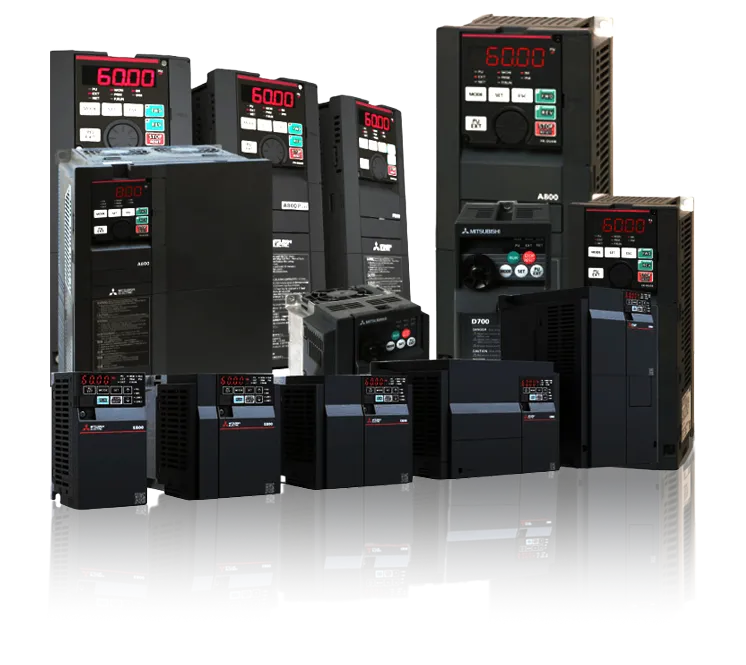
Understanding Variable Frequency Drives
A Variable Frequency Drive (VFD), also known as an inverter or AC drive, is an electronic device that controls the speed and torque of an AC electric motor by varying the frequency and voltage of its power supply. Instead of running a motor at full speed and using mechanical methods like dampers or valves to control output, a VFD adjusts the motor speed to match the exact demand of the application.
In Bangladesh's industrial sector, electric motors consume over 60% of total electricity in most factories. The majority of these motors run at full speed regardless of the actual load requirement, wasting enormous amounts of energy. This is where VFDs make a transformative difference.
How Does a VFD Work?
A VFD operates in three stages:
- Rectifier: Converts incoming AC power to DC power
- DC Bus: Stores and smooths the DC power using capacitors
- Inverter: Converts DC back to AC at the desired frequency and voltage
By changing the output frequency, the VFD controls motor speed precisely. A motor designed for 50 Hz (standard in Bangladesh) running at 25 Hz operates at roughly half speed, dramatically reducing power consumption.
The Affinity Laws: Why Energy Savings Are Exponential
The real magic of VFDs lies in the affinity laws of physics, which govern the relationship between motor speed and energy consumption in centrifugal loads like pumps, fans, and blowers:
- Flow is proportional to speed (reduce speed by 20%, flow drops 20%)
- Pressure is proportional to speed squared
- Power is proportional to speed cubed
This cubic relationship means that reducing motor speed by just 20% cuts energy consumption by nearly 50%. A motor running at 80% speed uses only about 51% of the power it would at full speed. This is why VFDs deliver such impressive ROI, often paying for themselves within 6 to 18 months.
Real-World Applications in Bangladesh
VFDs are used across virtually every industry in Bangladesh:
- Textile mills: Controlling loom speeds, spinning frames, and HVAC systems
- Water treatment plants: Regulating pump speeds based on demand
- Cement factories: Optimizing kiln fans and conveyor systems
- Commercial buildings: Managing elevator motors, cooling towers, and ventilation
- Food processing: Precise speed control for mixers, conveyors, and packaging lines
Choosing the Right VFD
Selecting the correct VFD depends on several factors including motor power rating (kW or HP), input voltage (single-phase 220V or three-phase 380-400V), load type (constant torque vs. variable torque), and environmental conditions. Mitsubishi Electric offers a comprehensive range from the compact FR-D700 series for simple applications to the advanced FR-A800 series for high-performance requirements.
At SISL, we help factories across Bangladesh select, install, and commission the right Mitsubishi Electric VFD for their specific application. Contact our engineering team for a free energy assessment and discover how much your factory can save.